(417) 241-5687 24/7 Emergency Service
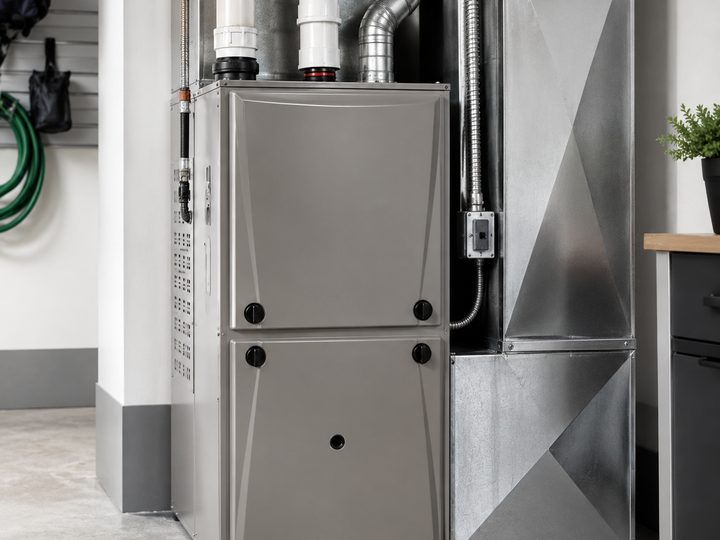
Same-day diagnosis on most no-heat calls, and a straight answer on whether the furnace is worth repairing.
A furnace that will not heat usually comes down to ignition, airflow, or a safety control doing its job. Start by checking that the filter is clean, the thermostat is calling for heat, and the furnace door switch is properly seated. If the unit is short-cycling or the flame keeps dropping out, stop guessing and call us, because those symptoms can involve the heat exchanger.
Furnaces in Republic do not wear out evenly across the heating season. They fail in clusters, and the first hard freeze is usually when it happens.
The reason is load, not age. Through October and November your furnace runs in short bursts. It fires, reaches the temperature you set, shuts off, and waits. A weak ignitor, or a flame sensor with a film on it, will survive that pattern for months, because nothing runs long enough for the fault to show itself. Then the temperature drops far enough that the furnace stops cycling and simply runs. Now those same parts stay hot for hours instead of minutes, the blower pushes far more air through the same filter, and every safety control is asked to do its job over and over instead of a handful of times an hour.
The component that was marginal in November is the one that quits at two in the morning in January. The same shift shows up on your energy bills, because a furnace running nearly flat out is burning gas for hours it never used to.
Four parts account for most of what gives out under that sustained load:
This is also why every heating company in the area is booked solid the same week. It is not bad luck and it is not coincidence. One shared trigger hit every furnace in town on the same night, which is why homeowners who call early in the day tend to be seen sooner than the ones who wait to see whether it sorts itself out. Routine maintenance, ideally in the fall, earns its keep for exactly this reason. A tune up before the weather turns puts the marginal parts under scrutiny while you still have a choice about when they get replaced, and a technician looking at a furnace in October has time to order a part that would otherwise strand you in January.
If the house is already cold, a few things are worth doing before anyone arrives.
Check the obvious three first. Is the thermostat calling for heat and set above room temperature? Is the furnace door panel seated properly, since a door switch that is not engaged will stop the unit running at all? Is the filter clean? A blocked filter is the most common reason a furnace starts and then shuts itself off a minute later.
Then keep the house safe.
Never heat a home with an oven, a range or an outdoor grill. None of them is vented for indoor use, and all of them produce carbon monoxide in an enclosed space. Of everything on this page, that is the instruction that matters most.
Space heaters are fine if you give them room. Keep them well clear of bedding, curtains and furniture, plug them straight into a wall outlet rather than an extension cord, and switch them off before you go to sleep.
Protect the plumbing while the heat is off. Open the cabinet doors under kitchen and bathroom sinks so warmer air can reach the pipes running against exterior walls. If it is well below freezing and the heat will be off for a while, let a faucet run at a thin trickle.
Close off rooms nobody is using and gather everyone into one space. A smaller volume of air holds its warmth much longer.
Most furnace problems are an inconvenience. This one is not.
Carbon monoxide has no color and no smell, which is why it needs a detector rather than your attention. A cracked heat exchanger is the fault that lets combustion gases reach the air moving through your house. It is the one HVAC system failure that turns a comfort problem into an indoor air quality problem, and it is the reason a technician will condemn a furnace instead of patching it. If that is the verdict, what a replacement actually involves is worth reading before you make a decision under pressure.
The warning signs are easy to miss, because they look like ordinary winter complaints. Headaches, dizziness, nausea, or a tiredness that lifts when you leave the house and returns when you come back. If more than one person feels it, or the pets seem affected too, treat that as the signal.
A yellow or flickering burner flame instead of a steady blue one, soot marks around the furnace, or heavy condensation on the windows nearby are all worth a call.
If your detector sounds, or several people feel unwell at once, get everyone outside first and call from outside. Do not open a window and wait to see whether it improves.
This one surprises people, and it takes two minutes.
Missouri does not license HVAC contractors at the state level. Licensing sits with individual cities and counties. A company holding a valid license in one municipality may hold nothing at all in the town where your house actually sits, and there is no single state registry to check anyone against.
That puts the work on you in a way it would not in a state with central licensing. Words painted on a truck are not a statewide claim, because there is no statewide license for them to refer to.
Two questions settle it. Ask which municipality issued the license. Then ask whether it covers Republic.
We are licensed and insured for the work we do here, and we will tell you who issued it if you ask. If you would rather have the furnace looked at on a schedule than wait for the next cold snap to decide for you, a planned maintenance agreement covers it.
Furnace faults cluster around a handful of causes, and knowing which one you are looking at tells you whether this is a cheap fix or a serious conversation.
The most common no-heat call. A dirty flame sensor stops the furnace proving its flame, so it lights and shuts down a few seconds later, over and over. Cleaning it is routine work.
A blocked filter or closed returns make the furnace overheat and trip its high limit. It feels like an electrical fault and is usually a $5 filter.
This is the one that matters. A cracked heat exchanger can put combustion gases into the air you breathe, and it is not a repair, it is a replacement. We inspect it on every no-heat call and we will show you what we found rather than asking you to take our word for it.
Two things decide it: the age of the unit and the cost of the fix. If the furnace is under about twelve years old and the repair is a sensible fraction of replacement cost, repair it. If it is older, the repair is major, and the efficiency is poor, you will spend the difference again in running costs.
We give you both numbers and let you choose. If replacement is the better call, financing means you can do it on your timetable.
If all of that checks out and it still will not run, call and we will get someone to you. Emergency service runs 24 hours, and Comfort Care Membership members get 10% off the repair.
Most repairs land in a few hundred dollars depending on the part, and we quote before we start so the invoice holds no surprises. Club members take 10% off whatever it comes to.
Yes, we run 24 hour emergency service. Being based in Republic is what makes a night call practical rather than theoretical.
Short-cycling like that is usually a dirty flame sensor, a blocked filter causing an overheat trip, or a failing draft pressure switch. It is worth diagnosing quickly because some causes involve the heat exchanger.
Yes. It can allow combustion gases into your air supply, so the unit gets shut down rather than patched. It is the one furnace fault we will never talk you into living with.
We answer 24 hours. Tell us what the furnace is doing and we can often narrow it down on the call.
24 hour service from a team based in Republic, not driving in from somewhere else.
(417) 241-5687
Open 24 hours, 7 days a week, including holidays.
Two tune-ups a year on every system you own, 10% off all repairs and priority scheduling, from $14 a month.
Approved financing spreads the cost of a replacement, so the timing of the work is your decision rather than the equipment’s.
A system that quits without warning leaves you guessing at both the cause and the bill, and most people find out the price only after the work is done. We diagnose the fault, show you what we found, and agree the cost with you before anything is touched. Call (417) 241-5687 or book online.