
(417) 241-5687 24/7 Emergency Service
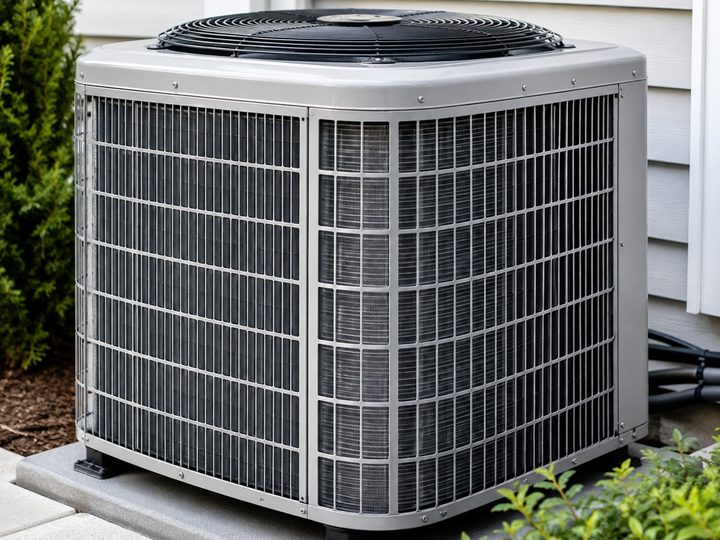
The most common heat pump service call in this city is a system that is working perfectly.
Redeemed HVAC & Plumbing covers west Springfield for heating repair, air conditioning repair, heat pump service, furnace installation, HVAC maintenance, ductwork and plumbing. The listing is open 24 hours, seven days. Call (417) 241-5687.
If you have a heat pump, this page explains the three things about how it decides what to do that cause nearly every complaint, and how to tell a real fault from normal behavior before you pay anyone to look.
Because it is supposed to, and this single misunderstanding generates more unnecessary service calls than any other.
A furnace burns fuel and produces air well above body temperature, so it feels hot on your hand. A heat pump does not burn anything. It moves heat from outside air into your house, and the air it delivers is warmer than the room but cooler than a furnace would make it. Put your hand in front of a register and it can feel cool, because your hand is warmer than the air.
The reading that settles it in two minutes is the temperature split: the difference between the air entering the return and the air leaving a supply register. If the supply air is meaningfully warmer than the return air, the heat pump is heating. The hand test is not a measurement, and it is wrong in this specific case.
So before you conclude the system has failed, note what the thermostat says the room is, and whether it is climbing. A heat pump raises a house slowly and steadily. It is not built to recover five degrees in twenty minutes, and asking it to is where the second problem comes from.
Most heat pumps have a backup: either electric resistance strips in the air handler or, on a dual fuel system, a gas furnace. Backup heat exists for the coldest hours and for defrost. It costs far more to run than the heat pump itself, particularly the electric strips.
Here is the part that catches people. A big setback on the thermostat can call for backup heat without anyone choosing it. Drop the house eight degrees overnight and in the morning the thermostat sees a large gap between where the house is and where it should be. Many thermostats respond by bringing on auxiliary heat to close the gap quickly. You saved a little overnight and then paid for strip heat to recover.
Three things follow:
Emergency heat is a manual override that runs the backup alone and locks the heat pump out. It is for a broken heat pump, not for a cold day. Left on by accident it is one of the most expensive mistakes available in a house.
A heat pump gets less efficient as the outside air gets colder, because there is less heat out there to move. A gas furnace does not care about outdoor temperature at all. So on a dual fuel system there is an outdoor temperature below which the furnace is the cheaper way to heat, and above which the heat pump is. That crossover is the balance point.
Set it correctly and the system picks the cheaper source automatically all season. Set it wrong, which is common, and one of two things happens. Too high, and the furnace runs on mild days when the heat pump would have been cheaper. Too low, and the heat pump grinds away in cold it cannot handle efficiently while the furnace sits idle.
Most dual fuel installations we open up have the balance point left at whatever the installer’s default was, which was set for a different climate and a different fuel price. It is a configuration change, not a part, and it is the cheapest improvement available on that kind of system.
Ask what yours is set to. If nobody can tell you, nobody set it.
In cold damp weather the outdoor coil of a heat pump collects frost, because it is below freezing and pulling moisture out of the air. Frost blocks airflow, so the system has to clear it.
What a defrost cycle looks like from the yard: the outdoor fan stops, the unit gets briefly louder, and steam rises off the coil. From inside, the air at the registers goes cool for a few minutes, which is why the backup heat usually comes on during defrost to cover it. Then everything returns to normal.
That is correct operation and it happens several times on a damp cold day. What is NOT correct:
The difference between frost and ice is the whole diagnosis. Frost clears. Ice means the defrost control, the sensor or the reversing valve needs attention.
A heat pump is harder to diagnose than a furnace because it runs in both directions, so the readings matter more.
That last point is worth holding onto. Heat pumps are less forgiving of bad ducts than furnaces, so a duct system that was merely mediocre with a furnace can be the limiting factor once a heat pump is on it.
Open 24 hours. Before a late call, check thermostat batteries, the switch and breaker, and the filter. On a heat pump also check that emergency heat has not been left on, which is the one that quietly costs the most.
Is my heat pump broken if the air feels cool?
Almost certainly not. A heat pump delivers air warmer than the room but cooler than a gas furnace, so it can feel cool against a hand that is warmer than the air. The test is the temperature split: compare the air entering the return with the air leaving a supply register. If supply is meaningfully warmer than return, it is heating correctly. This is the most common service call that turns out to be nothing.
Why is my electric bill so high with a heat pump?
Usually auxiliary heat running when it does not need to. Electric resistance strips cost far more to run than the heat pump itself. Large thermostat setbacks trigger them, because the thermostat sees a big gap and brings on backup to close it fast. So does emergency heat left switched on, and a dual fuel balance point set wrong. Check whether “aux” or “em heat” is lit when it is not genuinely cold.
What should I set my thermostat to with a heat pump?
Pick a temperature and leave it close to there. Small setbacks of two or three degrees are fine; large overnight setbacks cost more than they save because recovery pulls in the backup heat. A thermostat designed for a heat pump ramps the recovery to avoid that. A generic replacement thermostat does not know the difference, which is why the wrong thermostat can raise a bill on its own.
Is steam coming off my outdoor unit a problem?
No, that is a defrost cycle and it is normal. The fan stops, the unit gets briefly louder, frost melts off the coil as steam, and the indoor air goes cool for a few minutes while backup heat covers it. It happens several times on a damp cold day. What is not normal is a solid sheet of ice rather than frost, ice building around the base, or defrost that runs constantly or never runs at all.
What is a balance point and does mine matter?
On a system with both a heat pump and a gas furnace, the balance point is the outdoor temperature below which the furnace becomes the cheaper way to heat. Set correctly the system chooses the cheaper source by itself all winter. Most installations we open still carry the installer’s default, which was never set for this climate or these fuel prices. It is a setting rather than a part, so it is the cheapest improvement on that kind of system.
Do heat pumps work in Missouri winters?
Yes, for most of the season, which is why dual fuel is common here. A heat pump handles mild and moderate cold efficiently and loses ground as it gets genuinely cold, which is what the backup is for. The question is never whether it works, it is whether the changeover is set so the right source runs at the right time.
A heat pump visit should end with the temperature split in both modes, the charge verified by calculation, the balance point stated, and a clear answer on whether the auxiliary heat is behaving. That is what tells you if you have a fault or a setting.
Call (417) 241-5687, or see the full picture in our heating and cooling work across the city.
(417) 241-5687
Open 24 hours, 7 days a week, including holidays.
Two tune-ups a year on every system you own, 10% off all repairs and priority scheduling, from $14 a month.
Approved financing spreads the cost of a replacement, so the timing of the work is your decision rather than the equipment’s.
A heating or cooling problem leaves you guessing at both the cause and the price. The diagnosis comes with the readings behind it and the quote comes in writing, itemized, before any work starts. Call (417) 241-5687.