(417) 241-5687 24/7 Emergency Service
Refrigerant is not fuel. It moves around a sealed loop and is never used up, so a system that is low on refrigerant always has a leak somewhere. Topping it off without finding that leak buys you one season at most, and then you pay again. We find the leak first, repair it, then recharge to the weight the manufacturer printed on the data plate.
If your system runs on R-22, the repair costs more than it used to. US production and import of R-22 ended on 1 January 2020, so every pound now comes from reclaimed stock and the price reflects it. Your existing R-22 system is still legal to run and still legal to service, and nobody has to replace one because of that date alone.
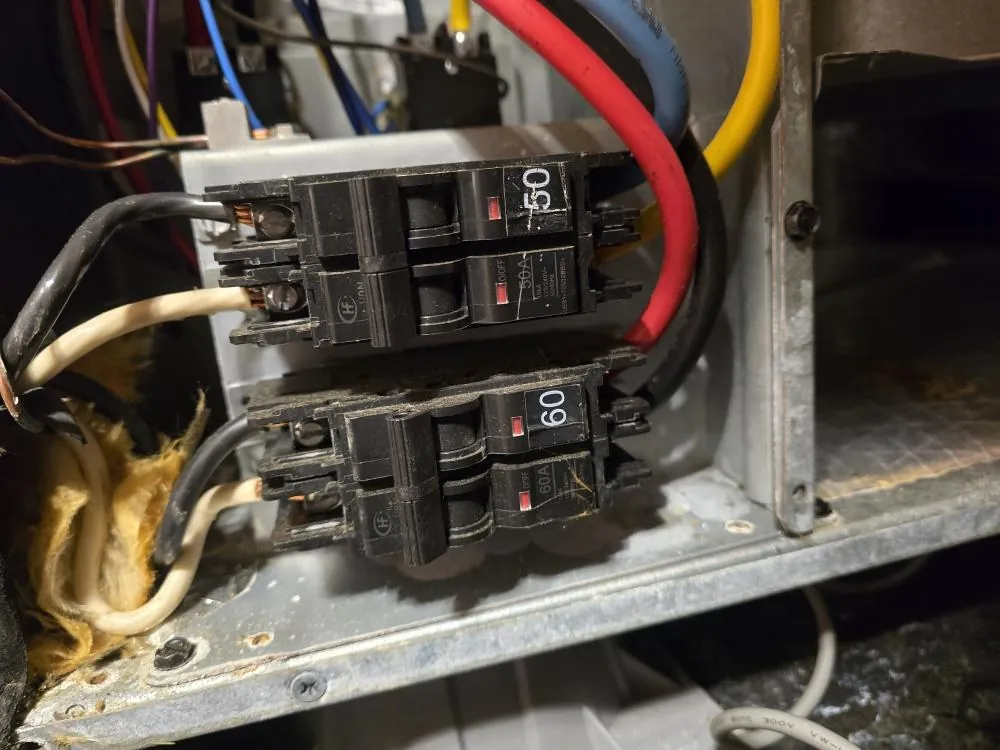
The compressor is the most expensive single part in the system and the one most often misdiagnosed. A unit that hums and will not start is usually a failed capacitor or a burnt contactor, both inexpensive parts, not a dead compressor. We test the electrical side before anyone uses the word replacement.
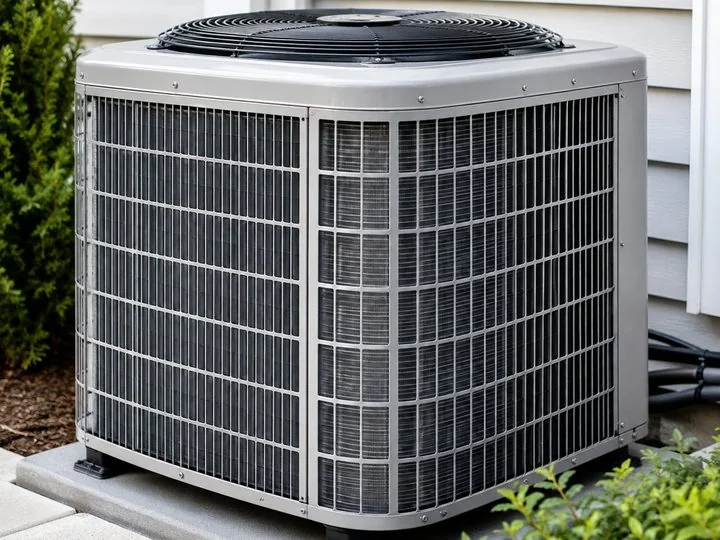
The condenser coil sits in the outdoor unit and its only job is shedding heat. Pack it with cottonwood, grass clippings or dryer lint and the system runs long and hot for no cooling gain, which shows up on the power bill before it shows up as a breakdown. Cleaning a blocked condenser coil often gives back most of the lost capacity on its own. A genuinely failed compressor is a different conversation, because the part plus the labor frequently approaches the cost of a new outdoor unit, and you get to see the readings either way.
Not every no-cooling call is a mechanical fault. Dead thermostat batteries, a loose common wire or one wrong setting will stop a perfectly healthy system. Smart thermostats add a failure mode of their own, because some models need a C wire that plenty of older Springfield homes never had run to the wall.
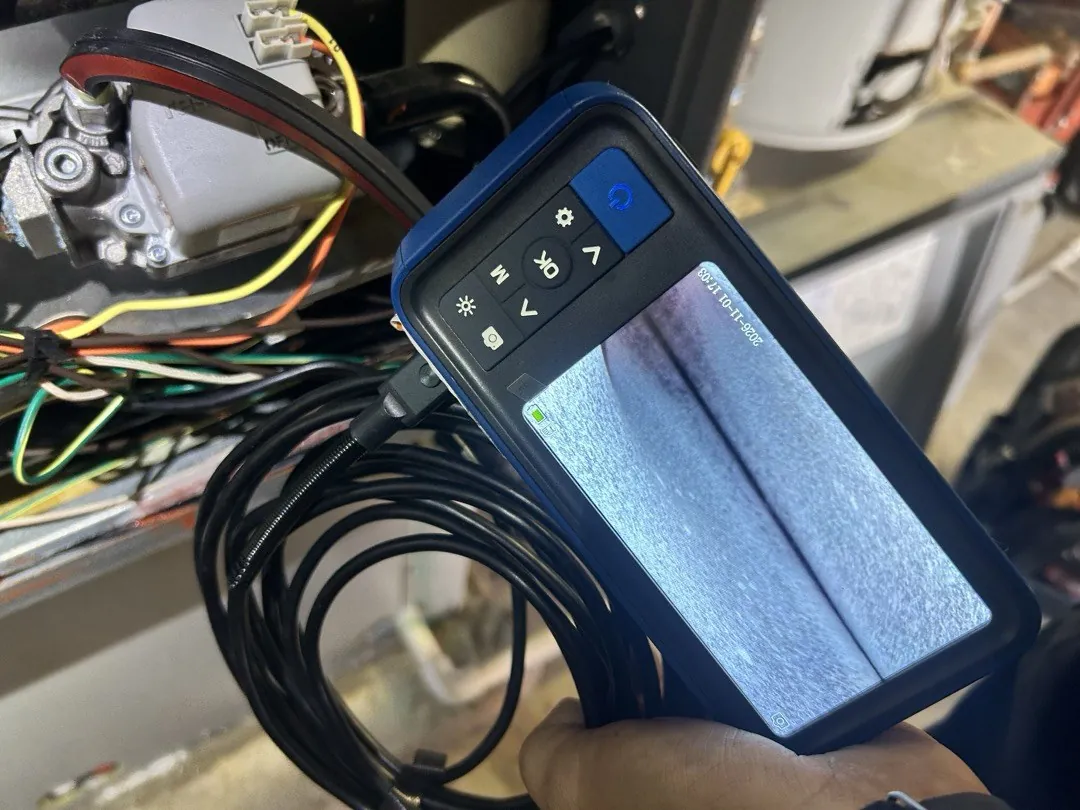
We check the controls and the low-voltage wiring before opening up the equipment, because it is the cheapest possible answer and it is correct more often than people expect. A thermostat reading 4 or 5 degrees off the real room temperature will also short-cycle the system and push the bill up while every mechanical part works fine. That one is usually a 20 minute fix.
Ice on an indoor coil in July looks alarming and almost always comes down to airflow or charge. A clogged filter, a failing blower motor or a closed-off return starves the coil of warm air and it freezes solid. The system then blows warm, because ice is an insulator, which is the opposite of what most people expect to happen.
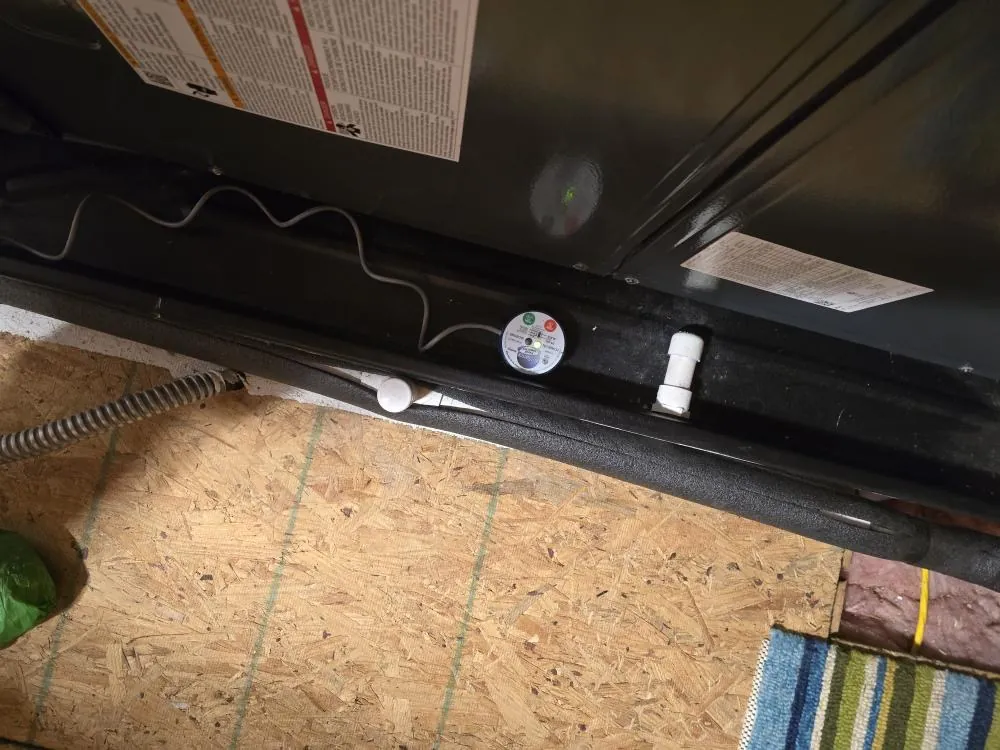
Switch the cooling off, leave the fan running so the coil can thaw, and call before you switch it back on. Running a frozen system can pull liquid refrigerant back into the compressor and turn a cheap repair into an expensive one. A clogged condensate drain line does the same thing with water instead of air, backing up into the pan until the safety float switch cuts the system off.